The Fragility of Digital Territory: A Shift in Consumer Loyalty
In the digital age, traditional brand loyalty has dissolved under zero switching costs. Today’s consumers juggle multiple services simultaneously, making loyalty less about ownership and more about seamless experience and habit formation. To thrive, brands must evolve from owning territory to embedding into routines.
How to Hold the Digital Consumer in a World of Zero Switching Costs
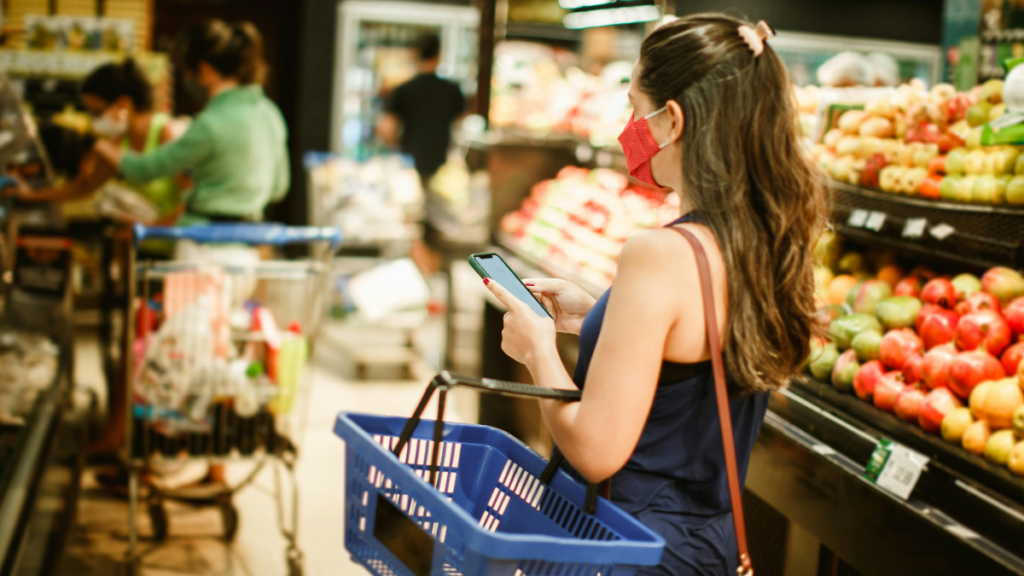
In the traditional marketplace, brand loyalty was protected by the physical nature of the product. If you bought a gallon of milk or a specific brand of motor oil, you were “locked in” by usage friction1. You were unlikely to switch brands until the bottle was empty. In that world, brand territory was a physical fortress, and “trusted asset” status was earned through the simple, singular act of consistent use over time.
However, today, consumer behavior has shifted to a new dimension.
The Era of Parallel Consumption
In the digital landscape, territory is almost nonexistent. We have entered the age of Parallel Consumption2. A user can and often does maintain accounts with three different food delivery apps, two streaming services, and four project management tools simultaneously.
Because the “switching cost” is effectively zero, digital brands live in a state of constant vulnerability. You aren’t just competing with a rival’s product; you are competing with the user’s boredom and their instinct to optimize.
The Hard Truth: In the physical world, you owned the shelf space. In the digital world, you only borrow the screen space.
The Founder’s Dilemma
For those currently building companies, this shift has created a frantic pace. We’ve shifted our focus from product longevity to compressed 1- to 5-year lifecycles. Founders often feel that if they aren’t shipping a new update every week, they are losing. But here is the irony:
The Problem: Adding features to “stay relevant” often leads to “bloatware.”
The Result: A product that feels like a tool, but never feels like a companion.
While the speed of the “rush” is necessary to stay in the race, it isn’t what wins the marathon.
Moving from “Asset” to “Ecosystem”
So, how do you cater to a digital consumer who has an infinite number of choices?
You stop trying to mark territory and start trying to build an ecosystem. Conventional sales taught us to sell a solution; digital survival requires us to sell a habit. To connect with the modern consumer’s emotions, you must bridge the gap between the old-school “trusted asset” (the reliability our parents valued) and the modern “seamless experience.”
People don’t stay with a digital brand because it has the most features; they stay because the thought of leaving feels like losing a piece of their daily rhythm.
The Goal: Sustainability isn’t found in being the loudest in the room. It’s found in becoming the one the user realizes they can’t live without once the noise stops.
The physical or logistical “effort” required to finish or replace a product naturally delays a consumer from switching to a competitor until the current resource is exhausted. ↩︎
The modern consumer habit of maintaining multiple active accounts for identical services across competing brands simultaneously, rather than choosing just one. ↩︎
0 Comments